Serpentine Belt & Hose Replacement
Serpentine Belt & Hose Replacement in San Marcos, TX. Free, no-pressure estimates.
4.8 stars on Google
From 137 Google reviews.
Local, and close by
Covering San Marcos, TX & the surrounding Hays County area.
Free estimates
Tell us what needs doing and we will come out and take a look.
About our serpentine belt & hose replacement
The serpentine belt is a single, continuous rubber belt that snakes around multiple engine components, driving the alternator, power steering pump, air conditioning compressor, and often the water pump. When a homeowner calls about a squealing noise, a flickering battery light, or suddenly losing power steering, the belt is usually cracked, glazed, or frayed. A snapped belt leaves the car dead on the roadside within minutes, with no charging, no steering assist, and potential engine overheating. This is not a component that gives much warning.
We start by visually inspecting the belt for cracks, fraying, glazing, or missing ribs. Then we check belt tension by pressing on the longest span, it should deflect about half an inch under moderate thumb pressure. The tensioner is checked for smooth rotation and spring force; a sticking tensioner will cause premature belt wear. We spin each pulley by hand, listening for bearing noise and checking for wobble. If replacement is needed, we remove the old belt, route the new one per the diagram under the hood, and use a breaker bar to release the tensioner. We double-check alignment on all pulleys before starting the engine.
The time and cost of this job vary mostly with engine layout. On a front-wheel-drive car with a transverse engine, the belt may be tucked against the frame rail, requiring removal of a splash shield or even a motor mount. Some vehicles have multiple belts instead of a single serpentine, which adds steps. Access to the tensioner bolt can be tight, some require a special socket or a long extension. The condition of the tensioner and pulleys matters: if they are noisy or loose, they should be replaced at the same time, adding parts and labor. Coolant hoses near the belt path are also inspected, as a leaking hose can fail soon after.
On the day of service, we pull the car into a bay, let the engine cool if it was just driven, and set up a work light to see the belt path clearly. We do not need the homeowner to do anything beforehand other than bring the car in. After replacement, we start the engine and listen for any chirp or squeal, then recheck belt tension after a short run. The old belt is disposed of properly. The homeowner is told to watch for any new noises in the first few days and to return if the belt seems loose. No cleanup is needed on the homeowner's part, we handle all debris and leave the engine bay as clean as we found it.
Tensioner Spring Rate
A worn tensioner loses its spring force, letting the belt slip and squeal even if the belt itself looks new. We always check the tensioner's range of motion.
Rib Count Mismatch
A belt with the wrong number of ribs (e.g., 6 vs. 7) will not ride correctly on the pulleys and can throw off alignment. We match the factory rib count exactly.
How we work
- Same crew from quote to clean-up
- We answer the phone ourselves
- Diagnostic tools before any wrench
Get a Free Quote
Our 4-step serpentine belt & hose replacement process
Visual Inspection
We examine the belt for cracks, fraying, glazing, and missing ribs. The tensioner and all pulleys are spun by hand to check for bearing noise or wobble.
Tension Check
We press on the belt's longest span to measure deflection. A sticking or weak tensioner is noted and recommended for replacement along with the belt.
Belt Replacement
We release the tensioner with a breaker bar, remove the old belt, and route the new belt per the under-hood diagram. Each rib is seated fully in its pulley groove.
Final Run Test
We start the engine and listen for chirps or squeals. After a short drive, we recheck belt tension and verify all accessories (alternator, A/C, power steering) are working.
Why Advanced Auto Mobile Mechanic for serpentine belt & hose replacement
Tensioner Check
A worn tensioner lets the belt slip and wear unevenly. We always test the tensioner's spring force and pivot range, not just the belt condition.
Pulley Alignment
A misaligned pulley can shred a new belt in a few hundred miles. We spin each pulley and check for wobble before installing the new belt.
Hose Inspection
While the belt is off, we inspect nearby coolant and vacuum hoses for soft spots or cracking. A rotted hose can fail without warning, causing a breakdown.
Related services
View all servicesBattery, Starter & Alternator ServiceA car that won't start or keeps dying is often a battery, starter, or alternator issue. We test the battery's charge and health, check the alternator's output, and test the starter's draw. We'll replace the faulty part at your location and get you back on the road.View details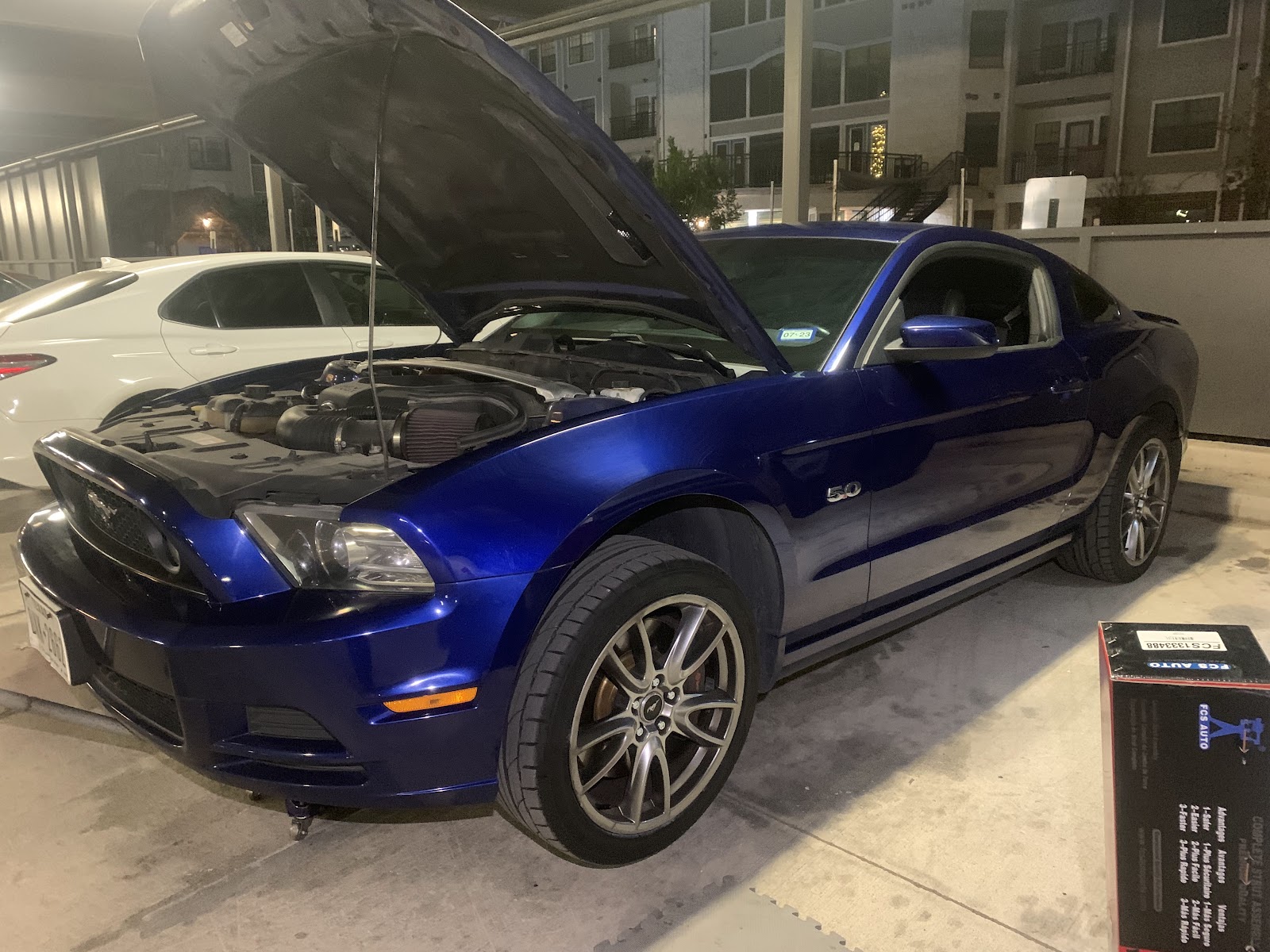 Oil Change & General MaintenanceRegular oil changes keep your engine running smoothly and prevent costly damage. We come to you with the correct oil and filter for your vehicle, dispose of the old oil properly, and top off fluids. We'll also do a quick visual inspection of belts, hoses, and fluid levels while we're there.View details
 Engine Diagnostics & Check Engine LightWhen that warning light pops on, you need to know what's really going on. We bring professional-grade diagnostic tools to your location and read the codes on the spot. Our approach is to explain the issue clearly and give you options before we turn a single wrench.View details
Serpentine Belt & Hose Replacement FAQs
Get a Free Estimate
Call or text us to describe your issue, and we'll schedule a time to come out. We'll diagnose the problem, give you a written estimate, and get you back on the road.