Brake Inspection & Repair
Brake Inspection & Repair in San Marcos, TX. Free, no-pressure estimates.
4.8 stars on Google
From 137 Google reviews.
Local, and close by
Covering San Marcos, TX & the surrounding Hays County area.
Free estimates
Tell us what needs doing and we will come out and take a look.
About our brake inspection & repair
You get in your car, press the brake pedal, and it feels spongy or sinks lower than usual. Maybe you hear a high-pitched squeal or a grinding noise when you stop. That means your brake components are worn or compromised. Ignoring it risks longer stopping distances and damage to rotors or calipers. This is the point where you call us for a thorough brake inspection.
We start by lifting the vehicle and removing the wheels. We measure pad thickness with a gauge, check rotor surfaces for scoring or warping using a dial indicator, and inspect caliper slides for free movement. Brake fluid is tested with an electronic tester for moisture content. If replacement is needed, we install new pads, resurface or replace rotors, and bleed the system with fresh DOT-approved fluid.
The condition of your brake hardware varies widely. Rusted bleed screws or seized caliper pins add time to the job. A vehicle driven mostly in stop-and-go traffic wears pads faster than highway miles. Rotors that are too thin to machine must be replaced. The type of pad material, ceramic versus semi-metallic, affects dust and noise. Each factor changes the labor and parts needed.
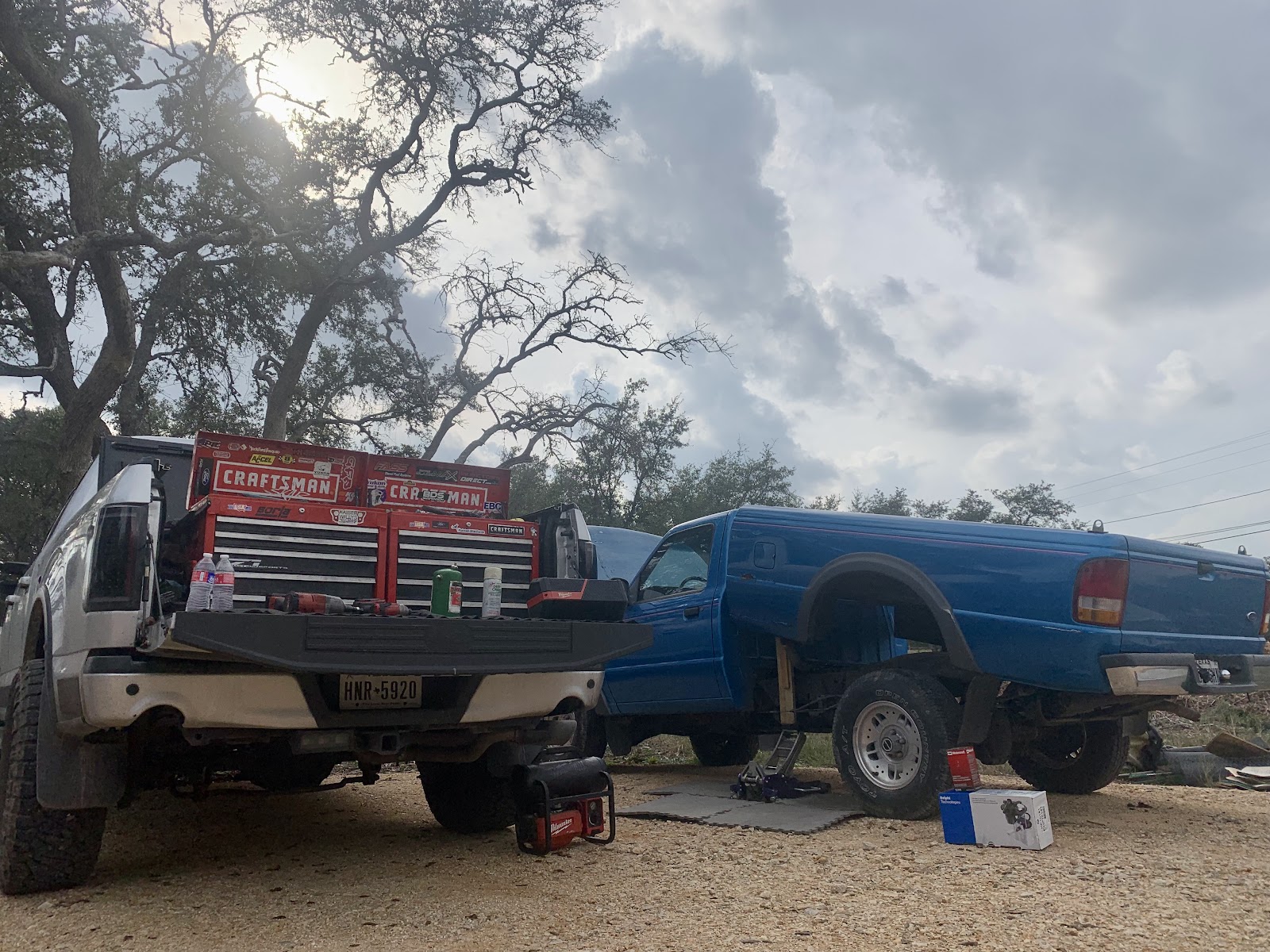
On the day of service, we park on a level surface and chock the wheels. We lay out a mat for tools and protect your paint. After the work, we torque all lug nuts to spec, test the pedal for firmness, and take a short road test. You don't need to do anything beforehand except ensure the keys are available. Afterward, avoid heavy braking for the first 50 miles to let new pads seat.
Moisture in Fluid
Brake fluid absorbs water over time, lowering its boiling point and causing a spongy pedal. We test moisture content with an electronic meter.
Seized Caliper Pins
Sticking caliper pins cause uneven pad wear and pulling to one side. We clean and lubricate the slides during every brake service.
How we work
- Same crew from quote to clean-up
- We answer the phone ourselves
- Diagnostic tools before any wrench
Get a Free Quote
Our 4-step brake inspection & repair process
Initial Inspection
We test the brake pedal feel, listen for noises, and check the dashboard warning lights. Then we remove the wheels for a visual check.
Component Measurement
Pad thickness is measured with a gauge, rotors are checked for runout and thickness variation, and caliper operation is tested.
Replacement & Bleeding
Worn pads and rotors are replaced. The brake system is bled to remove air and moisture, and fresh fluid is added to the reservoir.
Test & Torque
All lug nuts are torqued to manufacturer specs. We test pedal firmness, check for leaks, and road-test the vehicle at low speed.
Why Advanced Auto Mobile Mechanic for brake inspection & repair
On-Site Convenience
We bring the brake service to your driveway or parking lot. No need to drop off the car and wait for a ride. We do the job where you park.
Quality Parts Choice
You choose from standard or premium pad and rotor options. We explain the differences in dust, noise, and lifespan so you pick what fits your driving.
Thorough Fluid Check
We test brake fluid moisture content and condition. Old fluid reduces stopping power and can damage internal components. We replace it when needed.
Related services
View all servicesSerpentine Belt & Hose ReplacementA snapped serpentine belt can leave you stranded in minutes. We carry common belts and hoses and can replace them on the spot. We'll also inspect the tensioner and pulleys to make sure the whole system is sound.View details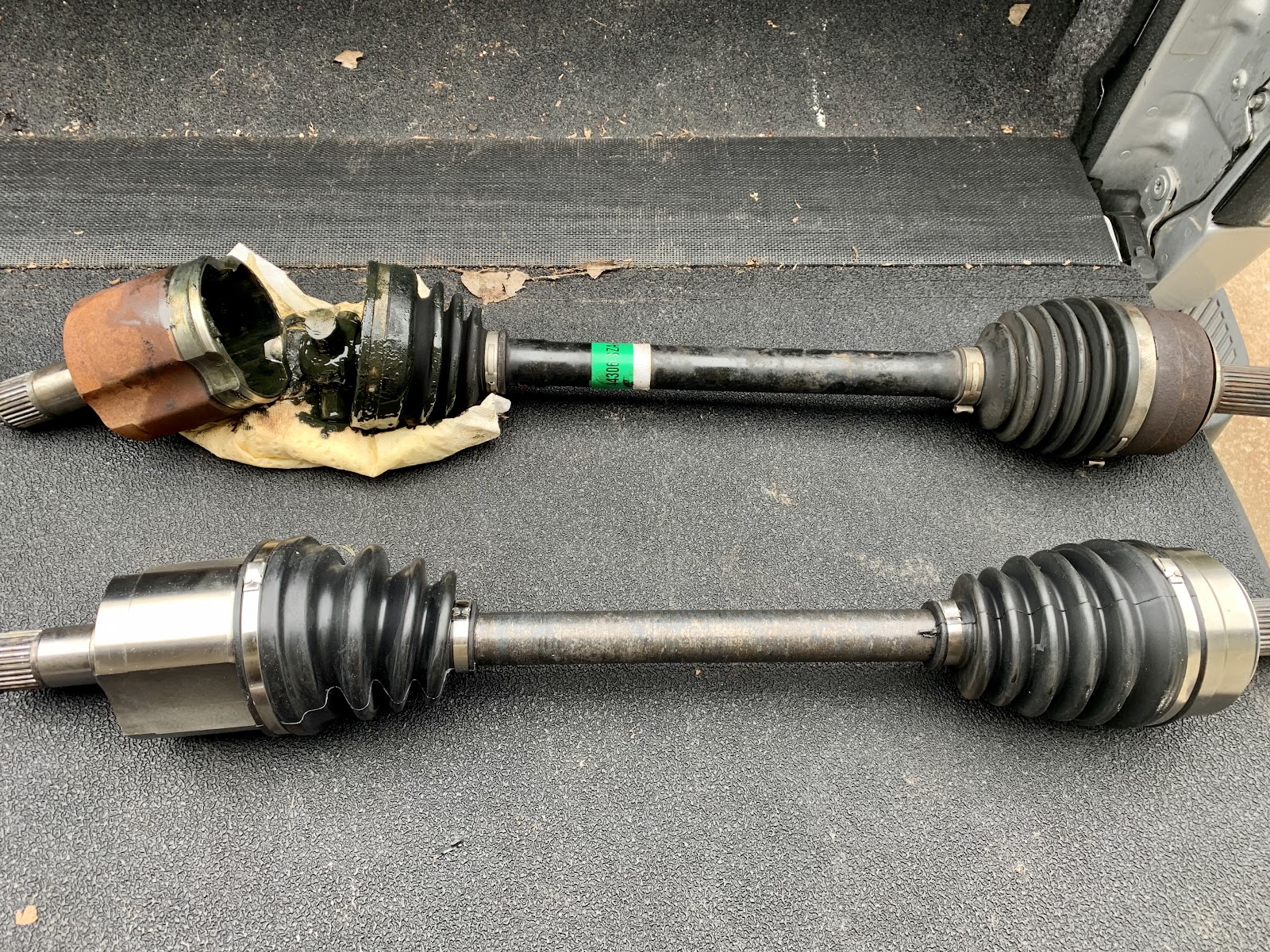 Battery, Starter & Alternator ServiceA car that won't start or keeps dying is often a battery, starter, or alternator issue. We test the battery's charge and health, check the alternator's output, and test the starter's draw. We'll replace the faulty part at your location and get you back on the road.View details
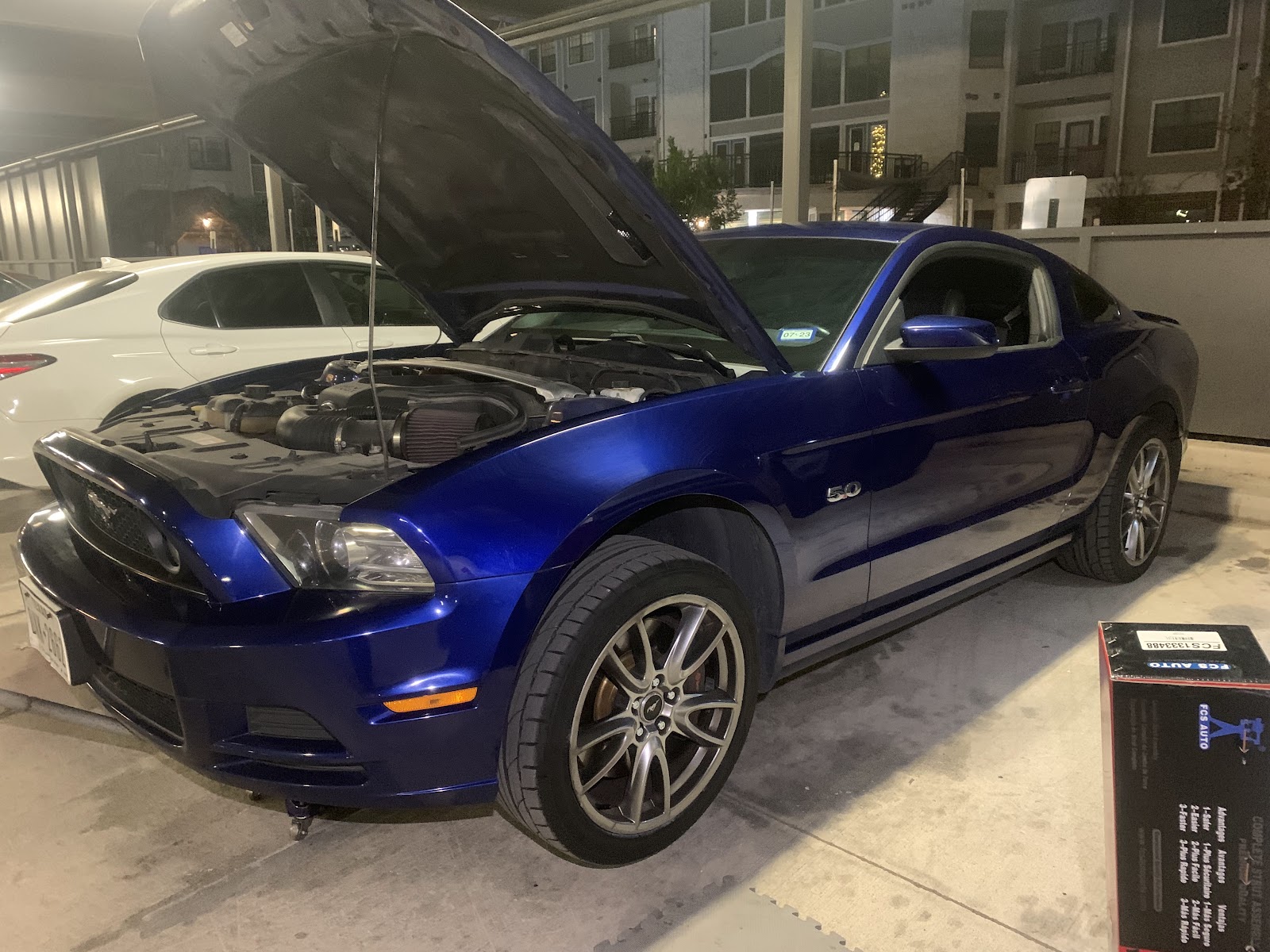 Oil Change & General MaintenanceRegular oil changes keep your engine running smoothly and prevent costly damage. We come to you with the correct oil and filter for your vehicle, dispose of the old oil properly, and top off fluids. We'll also do a quick visual inspection of belts, hoses, and fluid levels while we're there.View details
Brake Inspection & Repair FAQs
Get a Free Estimate
Call or text us to describe your issue, and we'll schedule a time to come out. We'll diagnose the problem, give you a written estimate, and get you back on the road.